Source Car Shock Absorbers for front, rear, and tuning applications
Compare 30 listings for Car Shock Absorbers from suppliers in Zhejiang, Hebei, and Ningbo. Buyers can evaluate options for replacement, repair, and tuning across various car models with certifications like ISO9001 and MOQs starting from 1 piece.
Key considerations
Products List
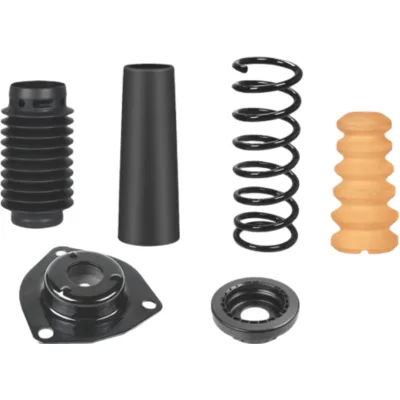


$0.09 - $0.10
MOQ: 10000 Pieces


Comprehensive Sourcing Guide
Strategic Sourcing Guide for Automotive Shock Absorbers
The global automotive aftermarket and original equipment manufacturing sectors rely heavily on the procurement of high-performance shock absorbers to ensure vehicle safety, handling stability, and ride comfort. For procurement professionals, sourcing these critical suspension components requires a disciplined approach that balances technical specifications, regulatory compliance, and supply chain reliability. The market presents a diverse array of options, ranging from single-unit replacements to bulk OEM orders, necessitating a clear understanding of the product attributes and supplier capabilities before initiating any purchase agreement.
Technical Specifications and Component Variability
When evaluating shock absorbers, buyers must first distinguish between the specific functional types and structural designs available in the market. The core product category encompasses hydraulic shock absorbers, which are the standard for damping motion in modern vehicles. These units often feature a double-cylinder structure, a design choice that influences the internal fluid dynamics and heat dissipation capabilities. The material composition is equally critical; observed market offerings frequently utilize a combination of rubber, steel, and aluminum to balance durability with weight reduction. For instance, specific suspension components may integrate rubber steel aluminum composites to manage vibration and noise while maintaining structural integrity under load.
The positioning of the shock absorber within the vehicle chassis is a primary differentiator. Sourcing lists indicate that components are designated for specific locations, such as the front or rear of the vehicle. Some listings specify a dual designation for both front and rear applications, while others are strictly single-position units. This distinction is vital for inventory management and compatibility checks. Furthermore, the spring type associated with the shock assembly varies; some systems utilize coil springs made of steel, which must be compatible with the shock's mounting points and load ratings. Buyers should verify whether the product is a standalone damper or a complete assembly including the spring, as this affects the installation process and the required tooling on the assembly line.
| Component Attribute | Observed Variations | Sourcing Implication |
|---|---|---|
| Structure | Double Cylinder | Requires specific fluid capacity and mounting geometry. |
| Material | Rubber+Steel, Steel, Rubber Steel Aluminum | Determines corrosion resistance and weight profile. |
| Position | Front, Rear, Front/Rear | Must match vehicle chassis design exactly. |
| Spring Type | Coil Spring | Affects load capacity and ride height settings. |
| Type | Hydraulic, Suspension Spring, Control Arm | Defines the primary function and integration method. |
Compliance and Certification Verification
In the automotive supply chain, certification serves as a proxy for quality management and manufacturing consistency. Buyers should prioritize suppliers who can demonstrate adherence to recognized international standards. Observed data indicates that ISO9001 is a prevalent certification among manufacturers, signifying a commitment to quality management systems. Additionally, some suppliers in the sector hold TS16949 certification, which is specifically tailored for the automotive industry and addresses the rigorous requirements for product safety and defect prevention.
It is essential to treat certification claims as observations that require validation rather than automatic guarantees. A supplier may list ISO9001 or TS16949, but the procurement team must verify the validity of these certificates through the issuing bodies. Furthermore, while some product descriptions mention "Standard" compliance or customization based on customer requests, buyers must ensure that the specific shock absorber model meets the regulatory standards of the destination market. For example, if the product is intended for export to regions with strict emission or safety regulations, the "Standard" designation must be cross-referenced with local automotive laws. The presence of an OEM designation suggests that the part is designed to meet original manufacturer specifications, but this should be confirmed against the specific vehicle model year and make.
Cost Drivers and Economic Parameters
The pricing structure for automotive shock absorbers is influenced by a complex interplay of factors, including material costs, manufacturing complexity, and order volume. Market observations reveal a significant price range, with unit costs potentially spanning from very low entry-level prices to higher tiers for specialized or branded components. This variance often correlates with the brand name, material quality, and the level of customization required. For instance, products branded under specific names like "Bright Deer" or "Rhino" may carry different price points compared to generic OEM equivalents, reflecting brand positioning and perceived quality.
Order Volume is a primary driver of unit cost. The Minimum Order Quantity (MOQ) observed in the market ranges widely, from single-piece orders suitable for small repair shops to bulk orders of up to 20,000 units for large-scale distributors or manufacturers. This flexibility allows buyers to tailor their procurement strategy to their specific inventory needs. However, higher MOQs often unlock better pricing tiers. Buyers must also consider the "Selling Units" configuration; some suppliers offer single-item sales, while others may require bulk packaging. The "Price: Low" attribute observed in some listings should be interpreted with caution, as it may reflect promotional pricing for specific models rather than a standard rate for all inventory.
Typical Applications and Vehicle Compatibility
The application scope of shock absorbers is vast, covering everything from standard passenger vehicles to specialized tuning cars. While some product specifications claim compatibility with "all car" models, this is a broad generalization that requires careful verification. More precise listings indicate suitability for specific car brands, such as Toyota, or specific part numbers like 333211/2-Rhino. This specificity is crucial for avoiding compatibility issues that can lead to returns or safety hazards.
The intended purpose of the component also dictates its application. Most shock absorbers are designed for replacement and repair of existing suspension systems. However, a segment of the market targets the tuning and modification sector, offering products specifically for "Tunning Cars." These units may feature different damping characteristics to accommodate modified suspension geometries or performance enhancements. Buyers sourcing for the aftermarket repair sector should focus on parts labeled for "replace/repair" with clear OEM compatibility. Conversely, those sourcing for the performance aftermarket must look for customization options and specific tuning applications. The "Part Name" and "Product Name" fields in supplier catalogs often provide the necessary clues to distinguish between standard replacement parts and performance-oriented components.
Supplier Evaluation and Origin Analysis
Evaluating potential suppliers requires a thorough assessment of their geographical location and logistical capabilities. The supply base for automotive shock absorbers is heavily concentrated in specific regions of China, with Zhejiang, Hebei, and Ningbo emerging as key manufacturing hubs. Each region may have distinct advantages regarding supply chain maturity, labor costs, and transportation infrastructure. For example, suppliers in Zhejiang and Hebei are noted for their production of shock absorbers and related suspension parts, while Ningbo-based suppliers may offer specialized packaging solutions.
When assessing a supplier, buyers should look for evidence of customization capabilities. Many suppliers list "Customization: Available" or "prod_packing: According to Your Request," indicating flexibility in meeting specific client needs. This includes custom branding, packaging, and potentially even modifications to the shock absorber specifications. The "Brand Name" field is also a critical evaluation metric; established brands like "Bright Deer" or "Rhino" may offer more consistent quality control compared to unbranded generic parts. However, the presence of a brand name does not guarantee quality; it must be paired with the aforementioned certifications and a robust track record. Buyers should also verify the "Condition" of the product, ensuring that all listed items are "New" and not refurbished, unless explicitly stated otherwise.
Quality Control and Long-Term Procurement
Maintaining quality in the shock absorber supply chain requires a proactive approach to quality control. The "Quality: High" attribute observed in some listings is a claim that must be substantiated through third-party testing or rigorous internal audits. Buyers should request detailed test results regarding durability, leakage resistance, and load-bearing capacity. The "Warranty: 1 Years" term is a common offering, but the scope of this warranty must be clearly defined. Does it cover manufacturing defects only, or does it include premature failure due to normal wear?
Long-term procurement considerations extend beyond the initial purchase price. The "Packing" method, whether it is "OEM Package," "Pallet," or "According to Customer's Requirement," impacts the logistics cost and the risk of damage during transit. Proper packaging is essential for maintaining the integrity of the shock absorbers, which are sensitive to physical impact and environmental exposure. Furthermore, the "Standard" of the product, whether it is a generic standard or a customer-specific request, influences the ease of integration into the buyer's assembly or distribution process.
Buyers should also consider the "Part Number" alignment. Products listed with specific part numbers like "333211/2-Rhino" facilitate easier inventory matching and reduce the risk of ordering incorrect components. For long-term contracts, establishing a clear communication channel regarding "prod_standard" and "prod_model" updates is essential, as automotive designs evolve rapidly. The ability of the supplier to adapt to these changes, often indicated by their "Customization" and "Standard" flexibility, is a key indicator of their viability as a long-term partner.
Final Procurement Considerations
In conclusion, sourcing Car Shock Absorbers demands a meticulous review of technical data, certification status, and supplier capabilities. The market offers a wide spectrum of options, from single-unit replacements to bulk OEM orders, each with distinct cost drivers and application requirements. Buyers must navigate the complexities of material composition, structural design, and vehicle compatibility to ensure the selected components meet their operational needs. By prioritizing suppliers with verified ISO9001 or TS16949 certifications, clear origin locations, and robust customization options, procurement professionals can mitigate risks and secure a reliable supply of high-quality suspension components. The ultimate goal is to establish a partnership that supports vehicle safety and performance while maintaining cost efficiency and supply chain resilience.
FAQs
What certifications do car shock absorber manufacturers hold?
Manufacturers typically hold ISO9001 and TS16949 certifications. These standards verify quality management systems and automotive-specific safety requirements, ensuring consistent production and defect prevention for replacement parts.
Which positions are available for Car Shock Absorbers?
Shock absorbers are available for front, rear, or both positions. Buyers must verify the specific vehicle chassis design to ensure the component matches the required mounting points and load ratings for safe operation.
Can I order single units of Car Shock Absorbers?
Yes, single units are available with a minimum order quantity of one piece. This option suits small repair shops or individual replacements, while bulk orders may unlock better pricing tiers for larger distributors.
What materials are used in car shock absorber construction?
Components often use rubber, steel, and aluminum combinations. These materials balance durability, weight reduction, and vibration management, with some specific parts utilizing stainless steel or coil spring steel for enhanced performance.
How are Car Shock Absorbers packaged for shipment?
Packaging options include OEM packages, pallets, or custom requests. Proper packaging is essential to protect the hydraulic units from physical impact and environmental exposure during transit to the destination market.
What warranty is provided for Car Shock Absorbers?
A standard one-year warranty is commonly offered for new parts. This coverage typically addresses manufacturing defects, though the specific scope regarding premature failure or normal wear should be confirmed with the supplier.